
footer-logo

Bulk chemical transportation guide

How to become a Shipper of Choice with Your Bulk Chemical Transport Partner

Enjoy a strategic advantage in any market — not just when things are tight
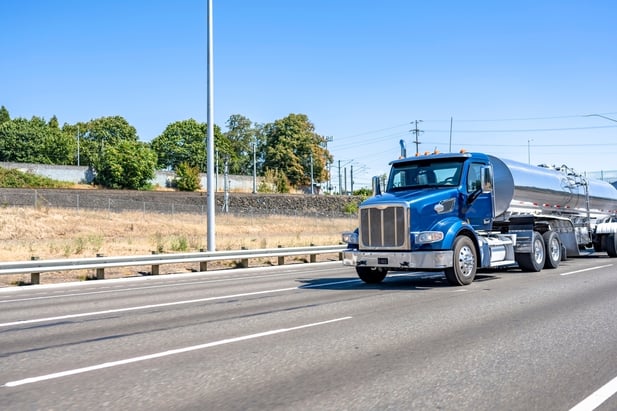
liquid bulk shippingIn today's volatile freight environment, where capacity constraints and market uncertainties have become the norm, establishing yourself as a “shipper of choice” is more crucial than ever. This designation isn't just a badge of honor — it can be a competitive advantage that determines whether your shipments move on time or sit on the dock. With supply chain disruptions still fresh in the minds of both shippers and carriers, reliable freight partnerships have never been more valuable.

Being a shipper of choice signals to carriers and logistics providers that your business is organized, driver-friendly, communicative, and flexible — qualities that reduce friction and make their jobs easier. In return, preferred shippers often receive faster service, better rates, and first-in-line access when capacity tightens. But even when trucks are plentiful and the market feels stable, there's no guarantee it will stay that way.

Why it matters

Why Being a Shipper of Choice Is Critical — In Any Market

To many in the world of bulk freight, being a shipper of choice is often seen as a strategy for tough times — a way to secure scarce capacity when trucks are hard to come by. And while that's certainly true, it's a short-sighted view. Building strong, preferred relationships with carriers and third-party logistics providers (3PLs) is a strategic advantage in any market — not just when things are tight.

During times of market stability or excess capacity, it's easy to assume that trucks will always be available and pricing will remain favorable. But freight markets are notoriously cyclical, and today's abundance can become tomorrow's shortage — often without much warning. By establishing yourself as a shipper of choice during “blue sky” periods, you're investing in goodwill and building loyalty with your transport partners. That loyalty can become your lifeline when the market flips — helping you secure trucks, avoid inflated rates, and maintain on-time service when others are scrambling.

Moreover, fostering long-term, high-quality relationships with your carriers and logistics partners yields benefits beyond just securing capacity. It enables smoother operations, more reliable service, and greater collaboration. Carriers are more likely to allocate their best equipment and drivers to shippers they trust and enjoy working with. And when your 3PL knows your business and your product inside and out, they can more efficiently match you with the right carrier for every job, regardless of market volatility.

Ultimately, becoming a shipper of choice is about being proactive rather than reactive. It's a long-term mindset that prioritizes mutual respect, communication, and operational excellence — all of which are essential whether the market is booming, busting, or somewhere in between.

Facility readiness

Start with Being “Driver Friendly”

truck tracking_2726138787When visiting loading and unloading facilities, bulk freight drivers face many unfriendly hurdles. They face long waits to load or unload, onsite accommodations that aren't all that accommodating, and people that are sometimes less than cooperative.

When routinely encountered at a given worksite, these negative factors may discourage drivers from wanting to visit the facility in the future. And, if one driver has a bad experience at a specific site, chances are many other drivers will hear about it. So, it stands to reason that if your site – or your customers' sites – are viewed unfavorably by drivers, it may be more difficult to find drivers willing to visit your site and move your products.

By making your loading and unloading sites more attractive to drivers, you will make it more likely that they will want to handle your loads. This often means more than just steady capacity – it can mean more competitive rates for your operation as carriers vie for your business.

Checklist: How Your Facility Can Be Driver-Friendly

The following practices serve as a great start to becoming a driver-friendly bulk shipper.

  • Ensure Safety and Accessibility. Above all else, the most important thing to drivers is that you provide a safe, clean, and accessible site. This includes unobstructed pathways for trucks and clear instructions for drivers. Safety equipment for loading and unloading processes should also be provided.
  • Assist Drivers with Staff Support. Make sure loading and unloading facilities are staffed and ready to receive the driver upon arrival. Facility employees should perform most of the loading/unloading work while the driver waits with the truck.
  • Assist Drivers with Necessary Equipment. Make sure your facility's equipment is ready. Ensure that hoses, if needed, are readily available, and that staff can make the required connections.
  • Provide Onsite Driver Amenities. Offer a few amenities to drivers, such as onsite (or nearby) scales and a secure parking lot where a driver can rest while products are being loaded or unloaded.
  • Allow Bigger Windows for Shipping and Receiving. In terms of appointment windows, the more flexibility you can give carriers, the more likely it is that they can fit your loads into their schedules. This includes start and end time flexibility along with longer windows for appointments.
  • Open During Unconventional Hours. While this may be unpopular, operating facilities during ‘off hours’ like nights and weekends can be extremely beneficial when necessary. Carriers operate around the clock, so accommodating their schedules can greatly improve your ‘driver friendliness.’
  • Perform Efficient Trailer Inspections. Inspect trailers quickly to minimize waiting times for drivers. This ensures they can make the best use of their valuable hours of service.
  • Communicate Facility Details Clearly. Know and communicate your facility details and potential issues. Provide information about scales, loading/unloading capacity, appointment systems, and any other relevant details.
  • Ensure Adequate Storage. Make sure your silos have room to avoid delays and detentions. A quick way to make an unfavorable impression is to have a driver arrive at the unloading site only to find the storage facility full.
  • Be Nice and Respectful. This one should go without saying, but the biggest strides in becoming a driver-friendly facility often come from treating drivers with respect and courtesy. Ensure that your staff treats drivers as they'd like to be treated.

By implementing these practices and maintaining a driver-friendly approach, your facility can stand out in a competitive market, ensuring smoother operations and better relationships with bulk trucking companies.

operational essentials

Additional Keys to Becoming a Shipper of Choice

To many in the world of bulk freight, being a shipper of choice is often seen as a strategy for tough times — a way to secure scarce capacity when trucks are hard to come by. And while that's certainly true, it's a short-sighted view. Building strong, preferred relationships with carriers and third-party logistics providers (3PLs) is a strategic advantage in any market — not just when things are tight.

During times of market stability or excess capacity, it's easy to assume that trucks will always be available and pricing will remain favorable. But freight markets are notoriously cyclical, and today's abundance can become tomorrow's shortage — often without much warning. By establishing yourself as a shipper of choice during “blue sky” periods, you're investing in goodwill and building loyalty with your transport partners. That loyalty can become your lifeline when the market flips — helping you secure trucks, avoid inflated rates, and maintain on-time service when others are scrambling.

Moreover, fostering long-term, high-quality relationships with your carriers and logistics partners yields benefits beyond just securing capacity. It enables smoother operations, more reliable service, and greater collaboration. Carriers are more likely to allocate their best equipment and drivers to shippers they trust and enjoy working with. And when your 3PL knows your business and your product inside and out, they can more efficiently match you with the right carrier for every job, regardless of market volatility.

Ultimately, becoming a shipper of choice is about being proactive rather than reactive. It's a long-term mindset that prioritizes mutual respect, communication, and operational excellence — all of which are essential whether the market is booming, busting, or somewhere in between.


1. Know Your Product Inside and Out

Here’s an all-to-common scenario in the world of chemical shipping: The shipper entrusts load booking to a green employee that doesn’t yet have a high degree of operational knowledge. The directive is simple: “go find the best rate to move this product.”

The problem here is that, without some requisite information, carriers and freight brokers aren’t going to fully understand what your needs are. If they don’t know what your needs are, they can’t determine if they can meet those needs and provide a quote. And, even if a quote was provided based on limited information, it would be much higher than normal because all that uncertainty will be baked into the price.

Provide your carrier or broker with as much information as possible. Your bulk chemical transportation provider needs information to ensure that it can move your load safely and efficiently. This information includes project timeline, loading and unloading sites, equipment required, and product details (more on that in a second). The more information you can provide, the better your carrier’s or broker’s ability to quote you accurately.

The essential bits of information include the following.

  • Product information. What are you shipping? Is the product dry or liquid? What are its safe temperature ranges? Is it hazmat or non-hazmat?
  • Equipment information. Are there any special equipment requirements or loading and unloading procedures (e.g., rear or center unload required; hose length needed). This also pertains to ‘incompatible prior products’ – a list of products that cannot have previously shipped in the tank or trailer used for your product.
  • Scale information. Do you have a scale onsite? If not, a visit to one must be factored into the driver’s route.
  • Safety Data Sheets (SDS). Every chemical product should have a Safety Data Sheet that details the product’s chemical characteristics and information related to its safe handling and transport. This transparency ensures carriers are well-prepared, reducing the risk of delays or mishandling. Key SDS information includes: Density: The weight per gallon will help determine the number of trucks required to handle a shipment. pH: The product’s pH level will dictate the types of tanks or trailers it can be safely transported in (e.g., low-pH liquids will require rubber-lined tanks which are harder to come by than stainless steel and aluminum). Viscosity: The product’s viscosity will determine whether the product can be pumped or if an air compressor can be used.


2. Provide Lead Time in Scheduling

Rigid schedules can deter carriers. Plan ahead to the extent possible and give your carrier as much lead time as possible for loading and/or unloading. The more lead time you can give, the more your transportation providers can optimize their routes and loads. This allows them to plan more efficient delivery schedules or take advantage of less busy traffic times, which can reduce fuel costs and improve overall efficiency.

This is especially true in and around New Jersey, Chicago, Texas and other major hubs. Such forward planning will also plant you firmly in the “easy to work with” category, which will go a long way in strengthening your relationship with your carrier.

Such adaptability can lead to more competitive rates and better service.


3. Communicate Proactively

Poor communication is rampant in the bulk freight shipping industry. Some examples:

  • Interpersonal relationships are rare. An over-reliance on digital communication can lead to misinterpretations and lack of complete clarity on the shipment requirements. Miss a detail on a shipment of dry goods and it may result in an angry shipper and disappointed shopper. Miss a detail on bulk shipment of a key ingredient and you might shut down a factory, losing tens of thousands of dollars, or more, in the process.
  • Old information is used. Let’s say a shipper contracts a carrier to move a load that it has moved many times, in the same way, over the years. However, the specs at the consignee have changed since the last delivery and, without proper planning, this will cause a headache for the driver upon arrival. Will the shared information reflect this change? Will anyone tell the carrier ahead of time so that it can plan accordingly? Too often, the answer is “no,” and carrier frustration – along with the driver’s headache – is the result.
  • Bad news is not communicated promptly. Another common communication shortcoming is the unwillingness to be transparent and relay bad news to stakeholders. The saying, “I’m not happy, but at least I’m informed,” holds true here. Too often, shippers and carriers find themselves both uninformed and unhappy. This leads to mistrust, which then leads to further erosion of communication.

If you have a trusted freight partner, lean on them to give you the straight story and to help guide you through the ups and downs of the market. If you do not yet have that kind of trust with a freight partner, complete transparency and brutal honesty are traits you should seek.

Effective communication ensures smoother operations and strengthens partnerships.


4. Collaborate with a Bulk Freight 3PL

Partnering with a specialized third-party logistics provider (3PL) like Bulk Connection offers numerous advantages:

  • Reduce freight costs. Most bulk freight 3PLs have very large networks of carriers. A 3PL can leverage the size of its network to find the best carrier for a shipper’s load based on experience, equipment and cost. A 3PL can essentially ‘comparison shop’ on behalf of their shipping customers.
  • Move freight fast. Again, the large size of a 3PL’s carrier network allows for greater flexibility in meeting the timelines of shippers. From there, communication is vital to iron out schedules that work for shippers and destination facilities. We can also factor in stops to tank washes and other items.
  • Remove demands of traffic management. When a shipper books a load with a carrier, that shipper typically must allocate internal resources to track that load and manage the timeline and stakeholder expectations. 3PLs can handle those tasks on the shippers’ behalf.
  • Provide multiple transportation modes. Some 3PLs, like Bulk Connection, that specialize in bulk freight shipping can handle transportation across liquid and dry bulk freight; effectively giving shippers a ‘one-stop-shop’ for their transportation needs.
  • Maintain carrier information. For shippers going it alone and working with different carriers directly, there can be a lot of work that goes into maintaining the carriers’ licensing, insurance and regulatory compliance information. Conversely, some 3PLs have a dedicated team whose responsibility it is to keep these records updated and ensure that the 3PL’s TMS system assigns shippers’ loads ONLY to carriers that are up-to-date and qualified to handle them.
  • Perform coordination among stakeholders. When a bulk freight 3PL is a true expert, it understands that there are so many details that make the difference between a successful and unsuccessful load. As such, these 3PLs will guide you through the entire load. This includes calling both the loading and unloading facilities to confirm key items like operating hours, on-site staffing, and the necessary equipment. It also means staying in contact with these stakeholders until the load is completed.
  • Face emergencies head on. A major value add that freight 3PLs provide is emergency shipping. When you’re dealing with a single carrier, it has what it has. If you have an emergency and all of that carrier’s trucks and drivers are booked, you’re out of luck. A 3PL with a large network, however, can pull trucks in from near and far to support your needs.

FAQ

Frequently asked questions

These answers draw directly from the guide so visitors can scan the essentials before they download.

Why is being a shipper of choice important in any market?

Building strong, preferred relationships with carriers and third-party logistics providers (3PLs) is a strategic advantage in any market — not just when things are tight. By establishing yourself as a shipper of choice during “blue sky” periods, you're investing in goodwill and building loyalty with your transport partners.

What makes a facility driver-friendly?

Above all else, the most important thing to drivers is that you provide a safe, clean, and accessible site. This includes unobstructed pathways for trucks and clear instructions for drivers. Safety equipment for loading and unloading processes should also be provided.

What information should I share with my transportation provider?

Your bulk chemical transportation provider needs information to ensure that it can move your load safely and efficiently. This information includes project timeline, loading and unloading sites, equipment required, and product details. The more information you can provide, the better your carrier’s or broker’s ability to quote you accurately.

Why does lead time matter in scheduling?

The more lead time you can give, the more your transportation providers can optimize their routes and loads. This allows them to plan more efficient delivery schedules or take advantage of less busy traffic times, which can reduce fuel costs and improve overall efficiency.

How can a bulk freight 3PL help?

A 3PL can leverage the size of its network to find the best carrier for a shipper’s load based on experience, equipment and cost. When a bulk freight 3PL is a true expert, it understands that there are so many details that make the difference between a successful and unsuccessful load.

Become a shipper of choice

Bulk Connection has specialized in liquid and dry bulk transportation since 1987 and maintains one of North America's largest networks of qualified bulk carriers.  Contact us today to learn how we can put this network to work for you in the both the near and long term.


footer-logo