In bulk liquid hazmat transportation, the “right provider” is not simply the company that can quote the lowest rate or find the first available truck. Hazmat tanker shipments require the right equipment, the right driver qualifications, the right documentation, and the right operational experience. One missed detail can create delays, rejected loads, compliance issues, product contamination risks, or safety concerns.
In this article, we’ll look at what hazmat tanker trucking companies can do for your business, and how you can find the right one for your operation.
Getting to know hazmat tanker trucking companies
 When you’re looking for a liquid bulk freight transportation provider to handle hazmat loads, you’ll find both carriers and freight brokers.
Carriers are the trucking providers that have the equipment and the drivers that actually handle the loads. Freight brokers, on the other hand, do not have their own equipment and drivers. What they do have is a carrier network built upon partnerships with a variety of carriers.
This network is one of the main advantages that a freight broker brings to the table – especially when it comes to sourcing capacity. When you work with a carrier directly, you’re matching your freight with only that one carrier’s capacity and capabilities. When the carrier doesn’t have capacity, you’re out of luck.
When you work with a bulk freight 3PL, however, you’re matching your freight with the capacity and capabilities of an entire network of carriers. When you consider that some freight broker networks consist of hundreds of carriers, this can be a major difference. When one carrier in the network can’t provide capacity, your broker can turn to its next options until capacity is secured.
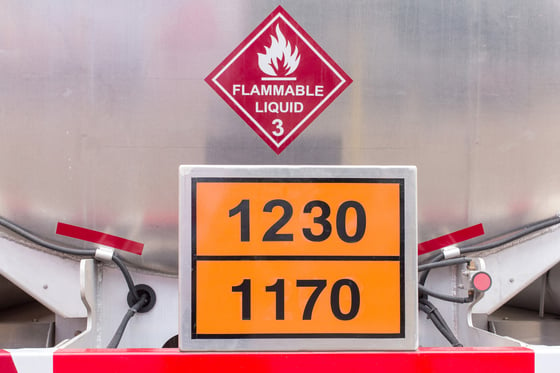
For hazmat tanker shipments, that broader network can be especially valuable. Not every bulk carrier is equipped, qualified, or comfortable handling every type of hazardous product. Some products may require specific trailers, hoses, fittings, pumps, compressors, prior wash documentation, temperature considerations, or driver experience. A broker with true hazmat tanker expertise can help match the load to a carrier that is actually suited for the move — not just one that happens to have a truck available.
Finding an experienced hazmat trucking company
Capacity and cost are very important factors in choosing your provider. But don’t let those criteria overshadow another key component: experience. You need to make sure that the transportation provider you choose to haul your product not only has the equipment and driver to handle it, but also has handled it – or a very similar product – before.
That product-specific experience matters. A carrier may be qualified to haul bulk liquid freight generally, but that does not automatically mean it is the right fit for your hazardous chemical product. Before tendering a load, shippers should understand whether the provider has experience with similar products and class of product, similar safety data sheet (SDS) details, similar lanes, similar facility requirements, and similar loading or unloading procedures.
Like any industry, the bulk transportation industry includes many carriers and freight brokers that are experienced, reliable, and safe – as well as some that are unproven in those areas. To separate the pros from the rest of the pack, you’ll need to thoroughly vet your prospective transportation partners. There is simply too much at stake with a hazmat load not to do your due diligence.
For hazmat tanker trucking companies, shippers should consider safety performance, compliance history, insurance, operating authority, driver qualifications, product experience, equipment availability, communication practices, and the provider’s ability to respond should something go wrong.
Such vetting can include the following elements.
- Carrier documentation including motor carrier number, operating authority, federal I.D. number, hazmat certification, insurance information and TSA certification.
- Carrier driver documentation including CDL-endorsement information, as well as TWIC information. In terms of CDL endorsements, hazmat drivers will typically need both the tanker endorsement (N) and the hazmat endorsement (H).
- A certificate of insurance, which will include coverage details, policy number and expiration date. This insurance certificate should be obtained from the insurance provider directly. Freight carriers are required to have both liability and cargo insurance policies. Most reliable bulk freight 3PLs also carry their own insurance instead of simply relying on carriers’ insurance. Common types of insurance among brokers include contingent liability insurance, contingent cargo insurance, and errors and omissions insurance.
- Questions regarding the provider’s product capabilities, personnel, training programs, equipment, and experience.
- References from shippers that have products similar to yours.
- Certification from a quality program, such as ISO 9001.
- Memberships with industry groups such as the Transportation Intermediaries Association, National Tank Truck Carriers, National Association of Chemical Distributors, and even the Better Business Bureau.
Shippers should also confirm that the provider understands any additional permit, security, or documentation requirements that may apply to the specific product being hauled. For certain hazardous materials, carriers may need to meet additional FMCSA Hazardous Materials Safety Permit requirements. Drivers hauling hazardous materials must also meet applicable CDL and security-related requirements, including TSA threat assessment requirements for hazmat endorsements.
What to ask before choosing a hazmat tanker trucking provider
When comparing hazmat tanker trucking companies, it helps to go beyond the basic “Can you cover this load?” question. A more useful conversation includes questions like:
- Have you hauled this product, or a similar product, before?
- What type of trailer and equipment will be used?
- Are the driver’s tanker and hazmat endorsements current?
- Can you provide current insurance documentation directly from the insurance provider?
- How do you verify carrier compliance before tendering a load?
- What is your process for handling loading or unloading issues?
- How do you communicate shipment status, delays, or exceptions?
- Can you support surge capacity, emergency shipments, or backup coverage if a primary carrier falls through?
These questions help separate true hazmat tanker experts from providers that may be treating the shipment like a standard freight move. In liquid bulk transportation, that distinction matters.
Leaning on a freight broker with hazmat tanker expertise
You can perform this vetting for each carrier you’re interested in working with, repeating the process for each. Or, you can simplify matters by vetting one freight broker and then allowing that freight broker to vet all the carriers in its network for you. This is precisely what leading bulk freight brokers like Bulk Connection do with their networks.
At Bulk Connection, for example, we have an entire team solely dedicated to carrier compliance. We manage this information for every carrier we work with. We ensure that the information is current, and we will never tender your product to a carrier that doesn’t meet our stringent requirements, nor one with less than two years of hazmat transportation experience. So, when you call for a rate quote, you can be assured that any carrier we select has been carefully vetted.
As for experience, Bulk Connection was founded in 1987. In our decades within the bulk freight industry, we’ve safely and reliably handled just about every type of hazmat chemical that can be hauled in a liquid bulk tanker or dry bulk trailer.
To learn more about putting this experience to work for you with an ISO-9001 certified bulk freight 3PL in your corner, contact Bulk Connection today.